
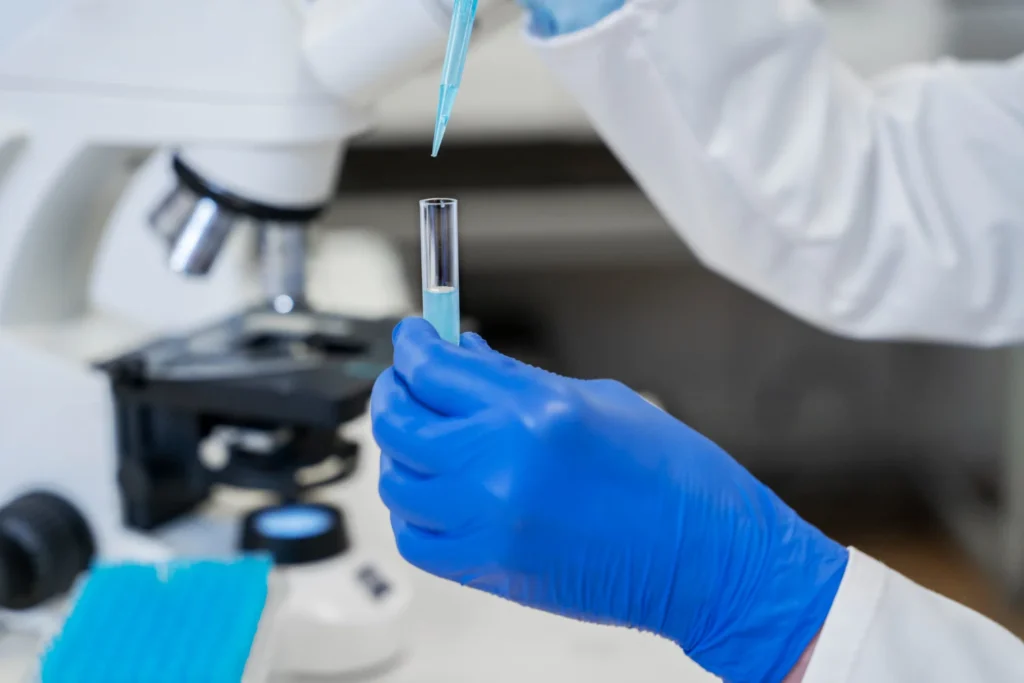
In scientific research, accuracy and reproducibility are essential. Researchers depend on reliable materials to ensure that experimental results are consistent and meaningful. This is why the quality and purity of compounds used in laboratories play a critical role in research outcomes.
Why Purity Matters in Research
Even small variations in compound purity can affect the outcome of an experiment. When impurities are present, they may interact with biological samples or influence chemical reactions in unexpected ways.
High-purity compounds help ensure:
• Reliable experimental conditions
• Reproducible results
• Accurate data interpretation
• Improved research consistency
Because of this, research laboratories carefully select suppliers that prioritize analytical testing and quality control.
Analytical Testing in Peptide Research
Analytical verification helps confirm the identity and composition of research compounds. Techniques commonly used in peptide analysis include:
High Performance Liquid Chromatography (HPLC)
Used to measure compound purity.
Mass Spectrometry
Confirms molecular weight and compound identity.
Sequence Verification
Ensures the peptide structure matches the intended design.
These testing methods help researchers maintain confidence in the materials used throughout their studies.
Supporting Research Integrity
Scientific progress depends on reliable research practices. High-quality materials allow researchers to focus on their experiments without concerns about inconsistent compound quality.
By prioritizing purity and quality verification, laboratories can improve the reliability of their findings and contribute valuable knowledge to the scientific community.